Color Harmony Toolkit
Master the art of color balance to create spaces that support your emotional well-being and enhance your daily experience.
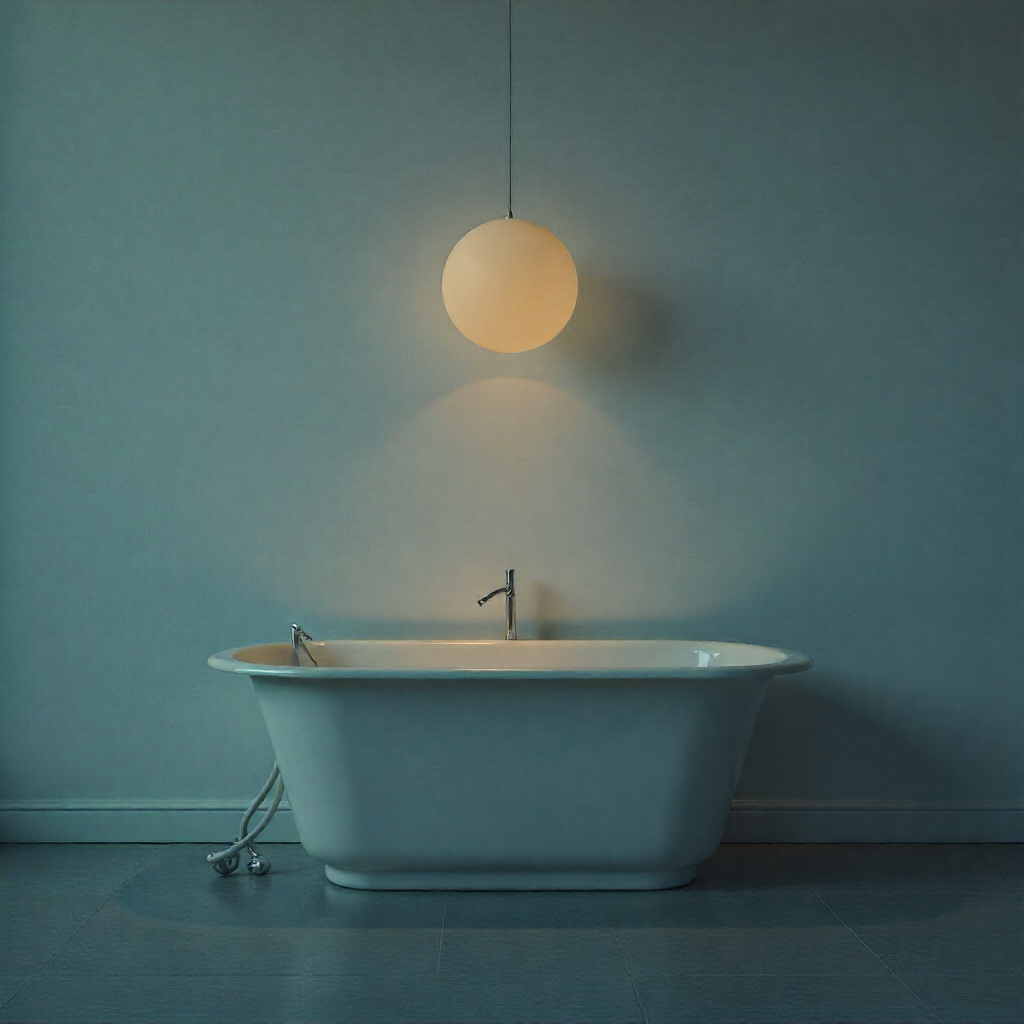
Understanding Color Psychology
Colors have a profound impact on our emotions, energy levels, and overall sense of well-being. Each hue carries psychological associations that can influence mood, behavior, and perception of space.
Warm colors like reds, oranges, and yellows tend to evoke feelings of energy, warmth, and excitement. Cool colors such as blues, greens, and purples typically promote calmness, relaxation, and focus.
The key to creating harmonious spaces lies in understanding how different colors interact and how they affect your emotional state throughout the day.
Mood Color Guide
Calming & Serene
Soft greens, pale blues, and gentle grays create tranquil environments perfect for relaxation and stress reduction. These colors help lower heart rate and promote a sense of peace.
Best for: Bedrooms, meditation spaces, reading nooks
Energizing & Uplifting
Warm apricots, soft golds, and creamy yellows stimulate positivity and energy. These tones can boost mood and create an inviting, cheerful atmosphere.
Best for: Living rooms, kitchens, entryways
Balanced & Neutral
Neutral tones provide a versatile foundation that adapts to different lighting conditions and activities. They create a sense of balance and allow other elements to shine.
Best for: Workspaces, multi-purpose rooms, transitional areas
Wall Tone Selection Guide
Choosing the right wall colors is fundamental to creating emotional harmony in your space. Consider these factors:
Natural Light Exposure
Rooms with abundant natural light can handle deeper, richer tones without feeling overwhelming. North-facing rooms benefit from warmer tones to counteract cool light, while south-facing rooms can accommodate cooler tones.
Room Function
Consider the primary activities in each space. Bedrooms benefit from calming, muted tones. Workspaces may need energizing but not distracting colors. Living areas can incorporate a mix that supports both relaxation and social interaction.
Undertone Balance
Every color has undertones that can create harmony or discord. Warm undertones (yellow, red, orange) pair well with other warm tones. Cool undertones (blue, green, purple) work best with other cool tones. Mixing undertones requires careful consideration to maintain balance.
Tips for Balancing Undertones
- Test in natural light: Colors look different throughout the day. Test samples at different times before committing.
- Consider adjacent spaces: Ensure color transitions between rooms feel harmonious and intentional.
- Use the 60-30-10 rule: 60% dominant color, 30% secondary color, 10% accent color for visual balance.
- Layer textures: Similar colors with different textures add depth without overwhelming the space.
- Respect natural light: Let daylight enhance your color choices rather than fight against them.
Creating Your Color Palette
Start by identifying the emotional goal for your space. Do you want it to feel calm and restful, energizing and creative, or balanced and versatile?
Once you've established the mood, select a base color that supports that feeling. Then, choose complementary colors that enhance rather than compete with your base. Remember to consider how natural light will interact with your choices throughout the day.
Finally, test your palette in the actual space with proper lighting conditions. What looks perfect in a paint store may need adjustment in your unique environment.
Get Personalized Guidance